

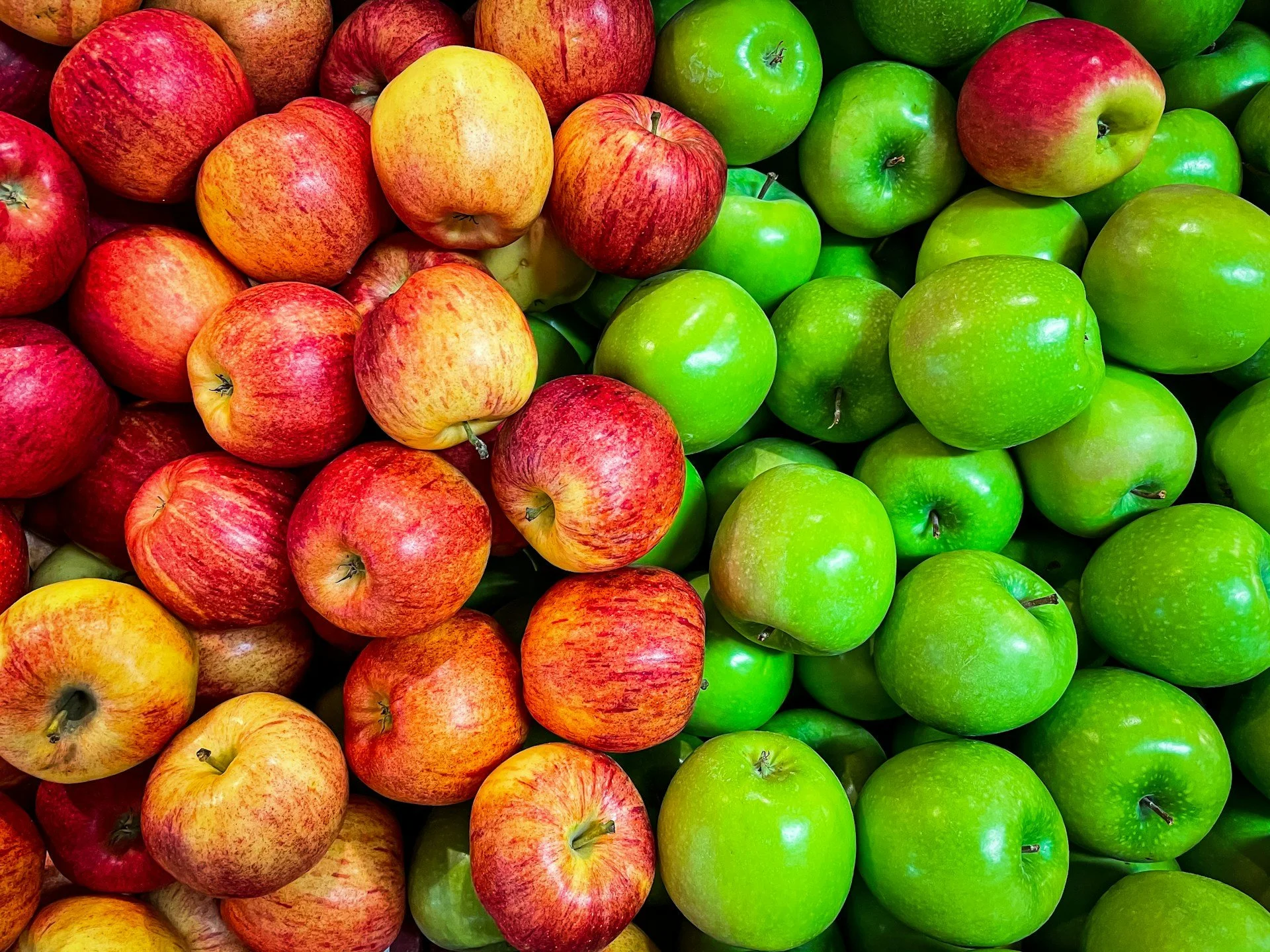
AN APPLE A DAY….
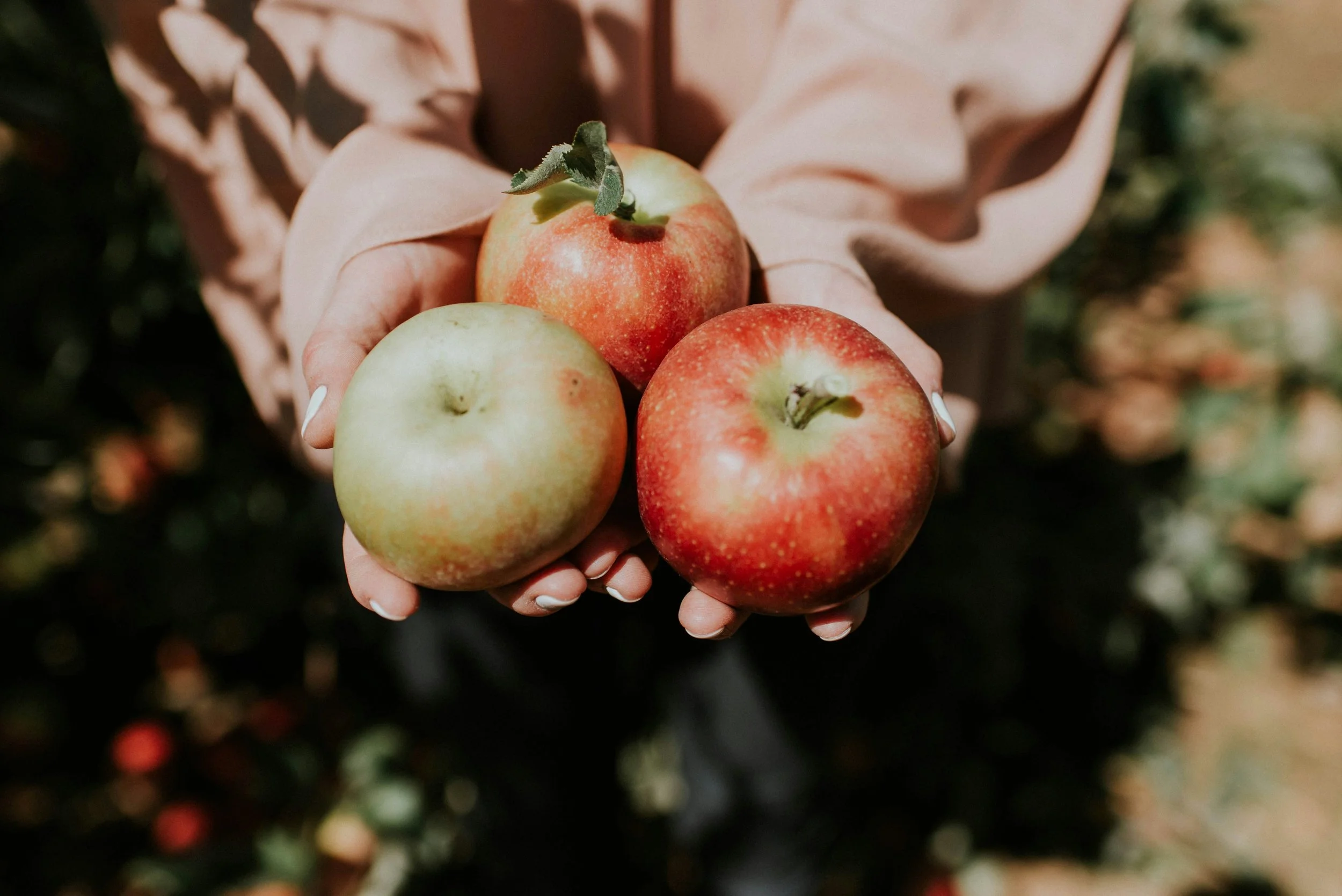
Learn it.
“An apple a day keeps the doctor away” wasn’t just said for fun. These sweet treats are packed with flavor and vitamins.
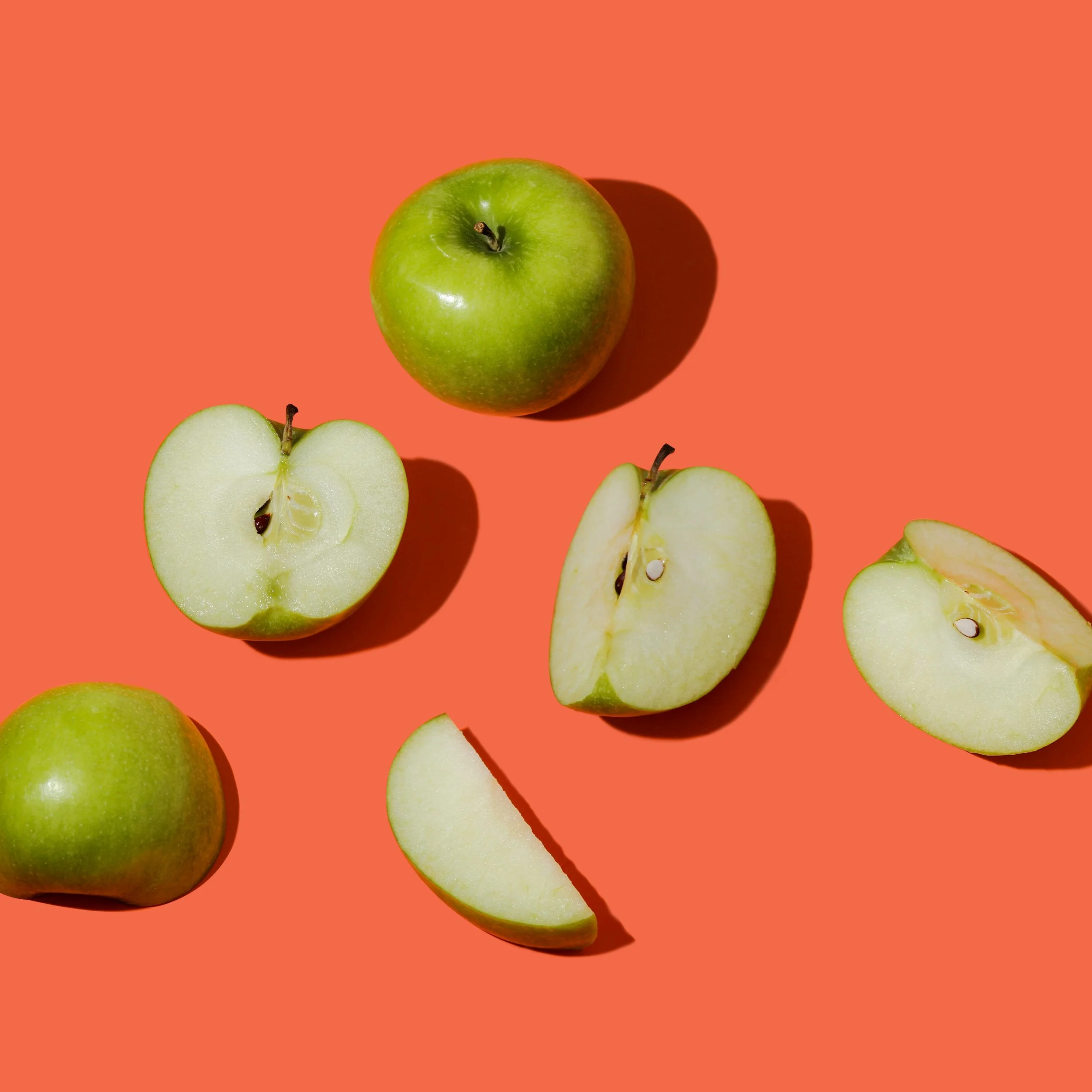
Make it.
Apple pie. Duh
Apple Tartin
Baked Apples, yes please.
Caramel Apples, ok.
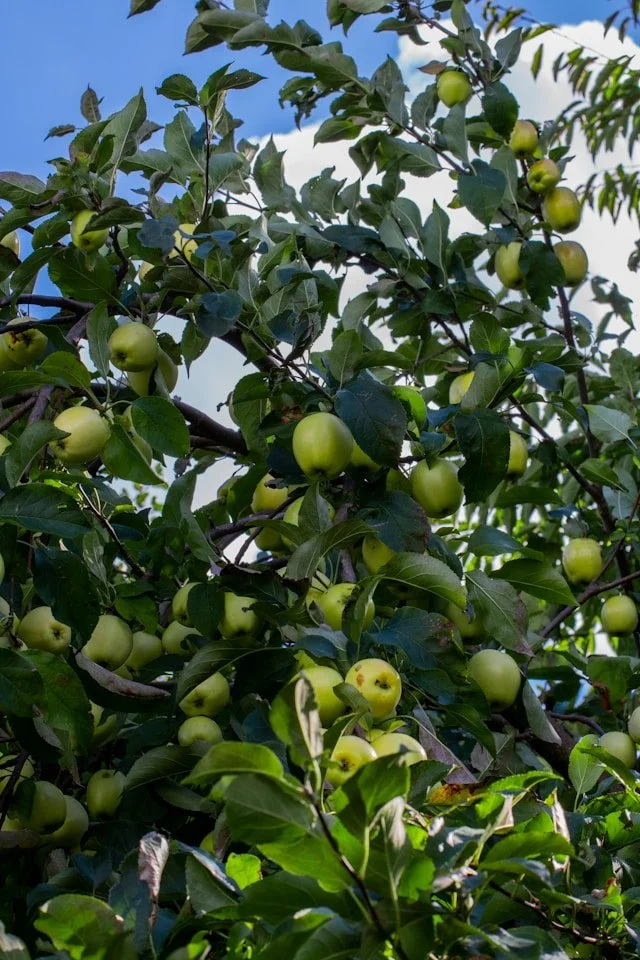
Grow it.
Apples taste different throughout the world. They can be grown in the desert but thrive in the cold.
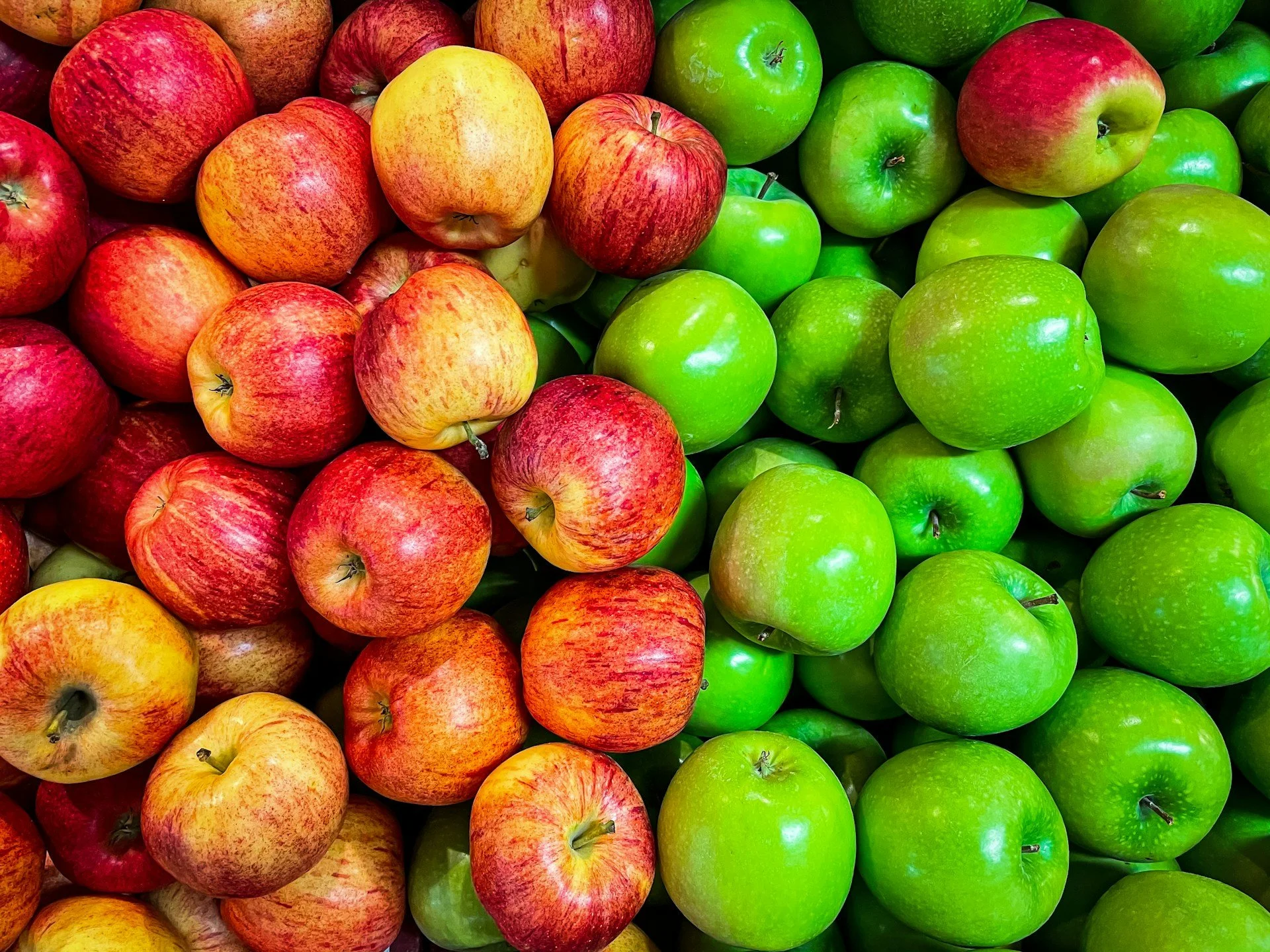
Apples are one of the most versatile and widely loved fruits in the world, prized for their balance of sweetness, acidity, and crisp texture. With thousands of varieties—from tart and bright to honey-sweet and aromatic—apples can transform depending on how they’re used: fresh and refreshing when eaten raw, warm and comforting when baked, or deeply complex when slowly cooked into sauces and fillings. Their flavor comes from a natural blend of sugars, organic acids (primarily malic acid), and aromatic compounds that create everything from floral to honeyed notes. Beyond their culinary appeal, apples are also nutritionally valuable. They are rich in fiber—especially pectin, which supports digestive health and helps regulate blood sugar—along with vitamin C, potassium, and a range of antioxidants such as quercetin and polyphenols that help combat inflammation and oxidative stress. Because they are low in calories, high in water content, and naturally satisfying, apples are often associated with heart health, improved gut function, and overall wellness. Simple yet remarkably complex, the apple remains a perfect example of how nature balances flavor, nutrition, and versatility in a single fruit.
Apple Pairing:
Apples + Cinnamon
Cinnamon + Nutmeg + Apples
Bourbon + Apples
Vanilla + Apple
Spices (Nutmeg, Anise, Cinnamon, Cardamom, Clove, Allspice) + Apple
Lemon + Apple
Pecans + Apple
Goat Cheese + Apple
Brie + Apple + Cranberries
Honey + Apple
Maple + Apple
Sage + Apple
Honey + Vanilla + Apple
Grow it.
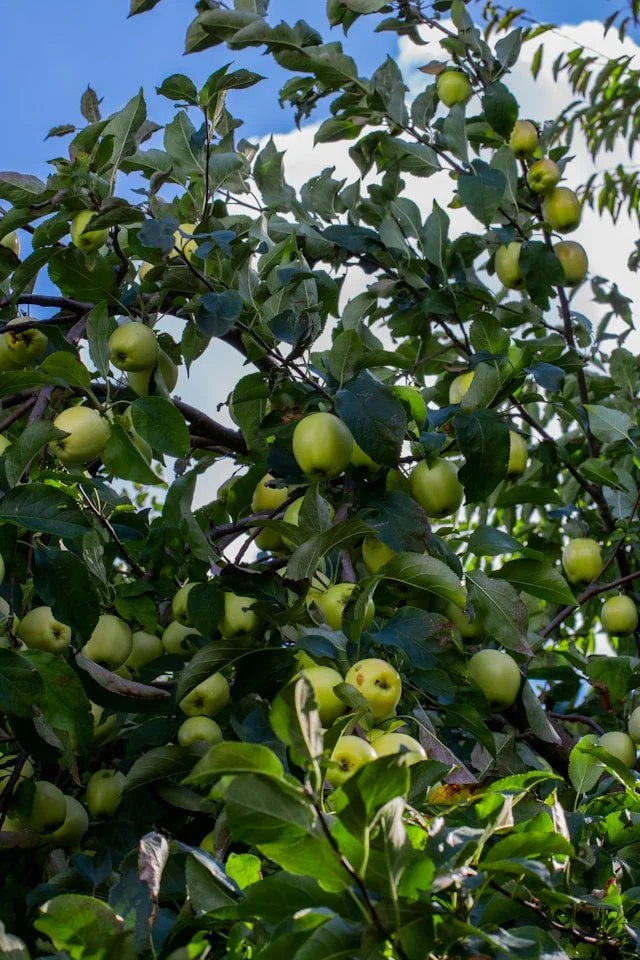
Apples grow best when the variety matches the climate, especially the amount of winter cold known as chill hours—the number of hours between about 32–45°F that trees need to properly bloom and set fruit. Apple varieties fall into three general groups. High-chill apples (700–1,000+ hours), such as Honeycrisp, McIntosh, and Northern Spy, thrive in colder regions like the Midwest, Northeast, and Canada. Medium-chill apples (400–700 hours), including Fuji, Gala, Braeburn, and Golden Delicious, grow well in temperate climates such as the Pacific Northwest and parts of California. Low-chill apples (200–400 hours), like Anna, Dorsett Golden, and Ein Shemer, were developed for warmer regions such as Arizona, Texas, and Southern California. Most apple trees also need a second variety nearby for pollination, since many cannot produce fruit on their own. Regardless of location, apples grow best in full sun, well-drained soil, and consistent water, and trees typically begin producing fruit within three to five years. When the climate and variety are well matched, apple trees can be both productive and long-lived, offering fruit that reflects the unique conditions of where it’s grown
Flavor insight
Climate affects flavor. Apples grown in cool climates tend to be more acidic and aromatic, while apples grown in warm climates develop higher sugar levels and softer acidity. This is why the same variety can taste different depending on where it’s grown.
Pollination: Apples Need Friends
Most apple trees cannot pollinate themselves. They require another compatible apple variety blooming at the same time.
Good pollination rules:
Plant two different varieties within about 50 feet.
Avoid planting two trees of the exact same variety.
Crabapples also make excellent pollinators.
Example warm-climate pair:
Anna + Dorsett Golden